
In the realm of surgical treatment, meticulous attention to pre- and postoperative care is paramount for ensuring successful outcomes and patient well-being.
This article delves into the comprehensive spectrum of ‘Surgical Healing: Before and After Care,’ shedding light on the critical aspects of preparation, procedure nuances porcupine dates, immediate recovery protocols, and long-term rehabilitation strategies.
By navigating this roadmap, patients and healthcare providers can collaboratively optimize the healing journey, fostering enhanced recovery and wellness.
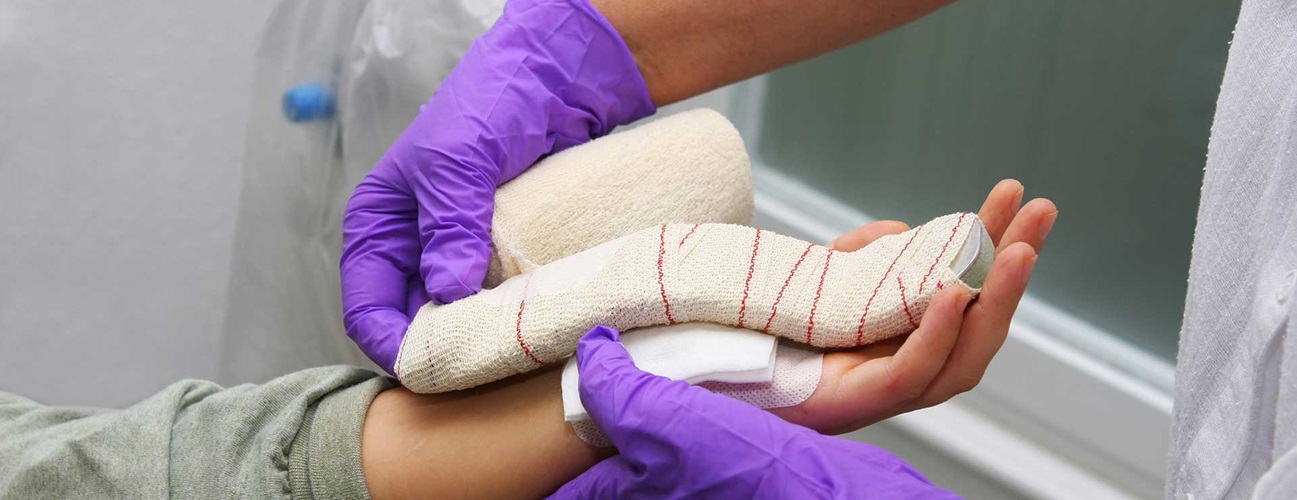
Pre-surgery Preparation
Preparing diligently before surgery can significantly enhance the postoperative recovery process. Prior to the procedure, it is crucial to follow all preoperative instructions provided by your healthcare team. This may include fasting for a certain period, abstaining from specific medications, and arranging for transportation to and from the surgical facility.
Additionally, maintaining open communication with your surgeon and anesthesiologist regarding any concerns or questions can help alleviate anxiety and ensure a smoother experience https://goodmorning.day/en/. Engaging in prehabilitation exercises or mindfulness practices can also promote physical and mental readiness for the upcoming surgery.
Surgical Procedure Overview
During the surgical procedure, the medical team follows a precise and systematic approach to address the specific health issue with the utmost care and precision.
The process begins with the administration of anesthesia to ensure the patient’s comfort and safety throughout the operation. Surgeons then make meticulously planned incisions to access the affected area. Advanced tools and techniques are employed to perform the necessary intervention accurately.
Throughout the surgery, constant monitoring of vital signs is conducted to promptly address any unexpected developments. Once the procedure is completed, the incisions are carefully closed, and post-operative care instructions are provided to facilitate a smooth recovery.
This comprehensive and detail-oriented approach aims to optimize outcomes and promote the patient’s well-being.
Immediate Post-operative Care
Following a surgical procedure, immediate post-operative care is crucial for ensuring proper recovery and monitoring of the patient’s condition. This phase typically occurs in the recovery room, where healthcare professionals closely observe vital signs, manage pain, and address any immediate concerns.
Patients may experience side effects such as nausea, grogginess, or discomfort, which are promptly managed to ensure comfort and stability. It is essential for patients to follow medical advice, take prescribed medications as directed, and attend follow-up appointments to monitor progress.
Clear communication between the patient, caregivers, and medical staff is key during this phase to address any unexpected developments promptly. This immediate post-operative care sets the foundation for a smooth recovery process and optimal healing outcomes.
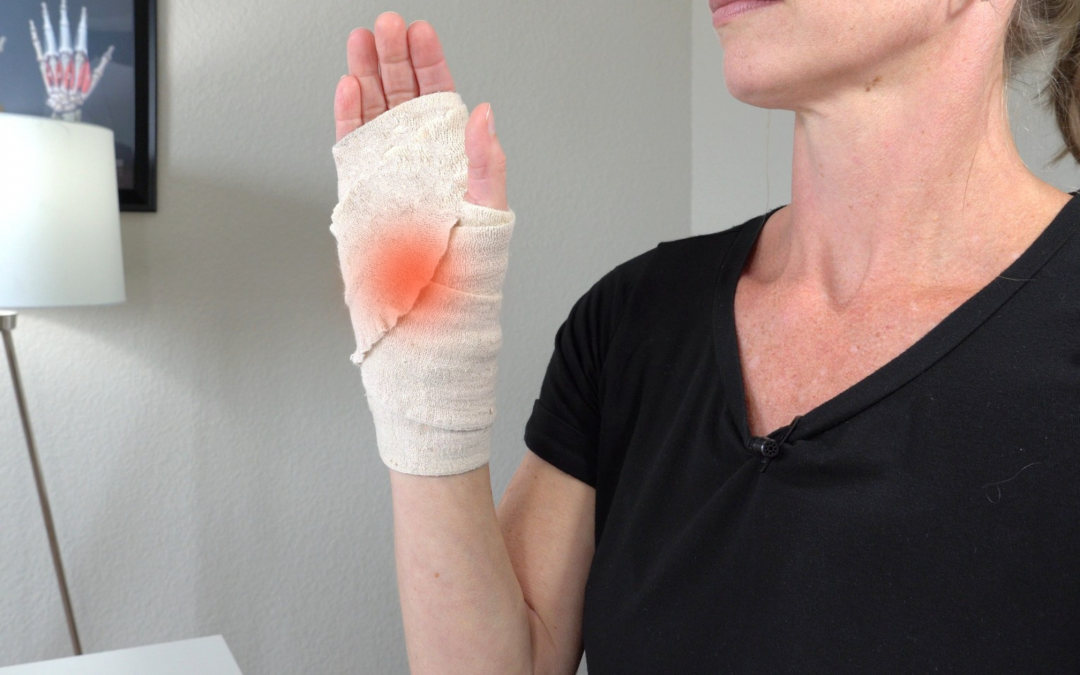
Long-Term Recovery Strategies
After surgery, implementing long-term recovery strategies is essential for promoting healing and maintaining overall well-being. To support your recovery journey, focus on incorporating a balanced diet rich in nutrients, staying hydrated, and engaging in regular physical activity suitable for your condition.
Prioritize quality sleep to aid in the healing process and consider stress-reducing activities like meditation or yoga. Follow your healthcare provider’s guidance for post-operative check-ups and adhere to any prescribed medications or therapies.
Monitor your progress, celebrate small victories, and be patient with yourself throughout the recovery process. Remember, long-term recovery is a gradual journey, so listen to your body, adjust your routine as needed, and stay positive as you work towards optimal healing and well-being.
Follow-up and Monitoring
Continuing with your surgical healing journey, it is crucial to prioritize regular follow-up appointments and diligent monitoring of your recovery progress. These follow-up visits allow your healthcare provider to assess your healing, address any concerns promptly, and make any necessary adjustments to your treatment plan.
Monitoring your recovery progress involves staying attentive to any changes in symptoms, adhering to post-operative care instructions, and promptly reporting any unusual developments to your healthcare team. By actively participating in follow-up appointments and monitoring your recovery, you empower yourself to ensure the best possible outcome and expedite your return to normal activities.
Conclusion
In conclusion, understanding the importance of pre-surgery preparation, proper post-operative care, and long-term recovery strategies is essential for successful surgical healing.
Follow-up and monitoring are crucial in ensuring the patient’s overall well-being and recovery progress.
By adhering to these guidelines, individuals can optimize their healing process and achieve the best possible outcomes after surgery.