
When you measure nanoparticle size, even small errors can lead to misleading results that impact your entire project. You might think it’s just about running the sample through an instrument, but factors like how you prepare your sample, the limits of your equipment, how to measure nanoparticle size and how you interpret data all play crucial roles. Understanding these pitfalls can help you avoid common mistakes—so what are the key issues you should watch out for?
How Instrument Limitations Cause Nanoparticle Size Errors
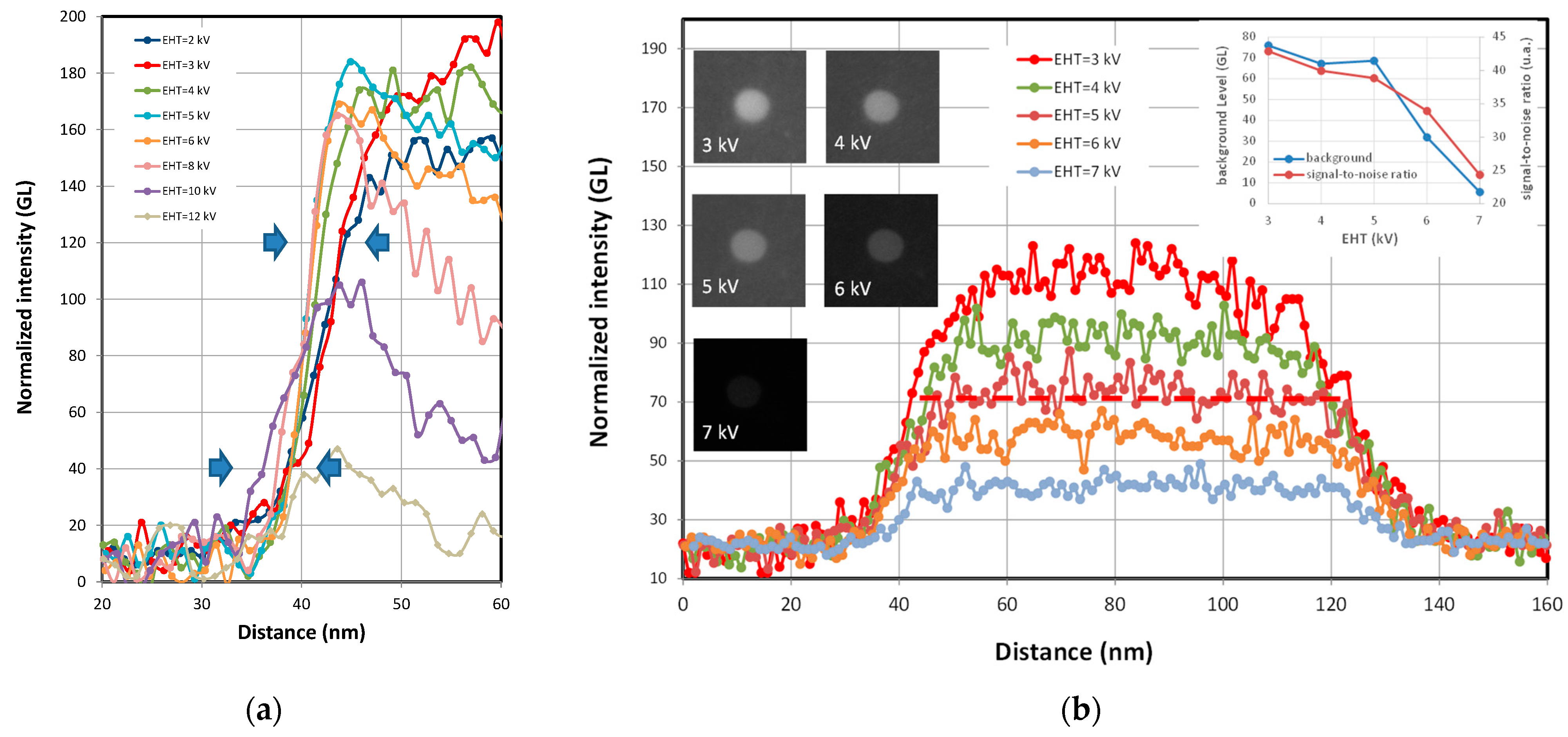
Although advanced instruments have improved nanoparticle measurement, you still face errors caused by their inherent limitations.
Each device has a resolution limit that can blur or distort tiny particle edges https://laballiance.com.my/, leading to inaccurate size readings.
You might also encounter challenges with sensitivity—some instruments struggle to detect the smallest particles or differentiate closely packed ones.
Calibration issues can further skew results, especially if standard references don’t match your sample’s characteristics.
Plus, factors like signal noise and operator variability add layers of uncertainty.
To truly gain freedom in your measurements, you need to understand these constraints and interpret data cautiously, avoiding blind trust in any single instrument’s output.
Recognizing these limits empowers you to make informed decisions rather than relying on potentially flawed measurements.
Why Sample Preparation Affects Measurement Accuracy
Understanding instrument limitations is only part of the challenge; how you prepare your nanoparticle samples plays a big role in measurement accuracy too. If your sample isn’t well dispersed, particles can clump together, misleading you with larger size readings. You’ve got to avoid aggregation by using proper solvents or surfactants and gently mixing samples.
Also, controlling concentration is crucial—too dense, and particles overlap; too dilute, and measurements become unreliable. Don’t forget that drying methods or contamination can alter particle size or introduce artifacts.
Common Data Interpretation Mistakes and How to Fix Them
Even if your sample preparation is flawless, you can still misinterpret nanoparticle size data if you don’t carefully analyze the results.
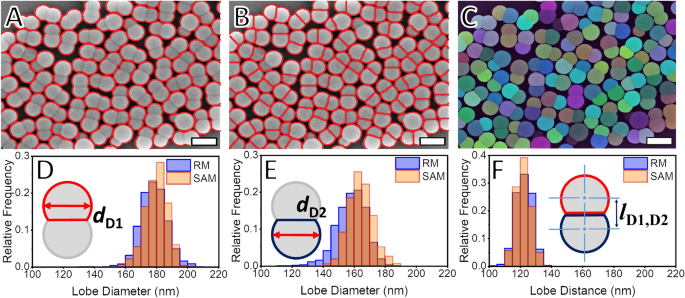
One common mistake is confusing intensity-weighted size distributions with number-weighted ones, which can skew your perception of particle populations. Always check which distribution type your instrument provides.
Another pitfall is ignoring the presence of aggregates or contaminants that falsely inflate size readings. To fix this, use complementary techniques or filtration to confirm your findings.
Also, don’t overlook the impact of instrument settings—parameters like scattering angle or measurement duration can alter results.
Tips for Choosing the Right Technique for Nanoparticle Sizing
Selecting the right technique for nanoparticle sizing depends on your sample’s characteristics and the information you need. You want a method that matches your goals without complicating the process or limiting your freedom to explore. Keep these tips in mind:
- Consider particle size range: Some methods are better for tiny particles, others for bigger ones.
- Think about sample state: Is your sample in liquid, powder, or solid form? Some techniques suit specific states better.
- Evaluate required accuracy: Decide how precise your size measurements need to be for your application.
- Factor in equipment availability and ease of use: Choose methods you can access and handle comfortably.
Best Practices to Ensure Reliable Nanoparticle Size Results
To get reliable nanoparticle size results, you’ll need to follow best practices that minimize errors and improve consistency. First, calibrate your instruments regularly to maintain accuracy. Always prepare your samples carefully, avoiding aggregation or contamination that could skew measurements. Use multiple measurement techniques when possible to cross-verify results and gain a fuller picture. Document your procedures meticulously so you can reproduce results or identify variability sources. Control environmental factors like temperature and humidity during measurements to reduce fluctuations.
Finally, stay updated on the latest standards and methods to ensure your approach remains current. By adopting these practices, you empower yourself to generate data you can trust, giving you the freedom to make confident decisions without second-guessing your nanoparticle size measurements.
Conclusion
To get accurate nanoparticle size measurements, you need to prepare your samples carefully to avoid aggregation and control concentration. Always use instruments suited for your particle size, keep them calibrated, and understand the difference between intensity- and number-weighted data. Don’t rely on just one method—cross-verify your results. Document your process and train operators to minimize errors. By following these steps, you’ll avoid common pitfalls and ensure reliable, consistent nanoparticle sizing every time.