
A professional pet taxi is generally safer than a typical ride-share for most animals. It uses trained handlers, pet-specific vehicle layouts, crash-tested restraints, and veterinary emergency protocols that reduce stress and injury. Drivers learn calming techniques and breed-specific handling pet taxi. Vehicles are cleaned and vented to lower contamination and discomfort. Insurance and incident reporting are standard. For short, low-risk trips a ride-share can be adequate; continue for details on when to choose each option.

What “Pet Taxi” Means and How It Differs From Ride-Sharing
When transporting animals, a “pet taxi” denotes a specialized service designed expressly for moving pets, distinct from general ride-sharing platforms that primarily serve human passengers. The service emphasizes safety, secure containment, and pet-focused amenities pet universe starlux, often bundling mobile grooming or airport transfers. Evidence supports lower stress and tailored protocols; the tone remains authoritative, compassionate, and concise to empower owners seeking freedom and reliable options.
Driver Training, Experience, and Handling of Anxious Pets
Driver qualifications should include completion of specialized training programs that teach safe restraint, stress-reduction techniques, and basic animal first aid. Empirical evidence and operator experience with breed-specific behaviors improve outcomes when transporting nervous or reactive animals, enabling anticipatory adjustments to handling and vehicle setup. Clear protocols for calming, gradual acclimation, and emergency response reassure owners and reduce risk to both pets and drivers.
Specialized Training Programs
Implementing specialized training programs enhances safety and welfare during pet transportation by equipping personnel with validated skills in vehicle handling, animal behavior recognition, and stress mitigation techniques. Programs combine behavioral certification and medical workshops to guarantee responders identify risks, perform basic first aid, and apply humane restraint. Evidence-based curricula and ongoing assessment foster competent, autonomous teams that prioritize animal welfare and owner confidence.
Handling Nervous Animals
How should teams prepare for transporting animals that exhibit fear or anxiety? Teams receive driver training emphasizing calm handling, carrier acclimation, and use of calming pheromones. Protocols prioritize safety, consent, and minimized restraint.
- Pre-ride carrier acclimation checks
- Quiet vehicle routines and minimal handling
- Gradual desensitization plans
- Clear communication with owners and consented calming aids
Experience With Breeds
Why does breed-specific experience matter when transporting anxious pets? Professionals understand breed sensitivity and adjust handling, restraint, and reassurance accordingly. Trained drivers account for size considerations, vehicle setup, and calming techniques supported by behavior science. This evidence-based approach reduces stress, minimizes escape or injury risk, and preserves owner freedom by ensuring predictable, respectful transport tailored to each pet’s temperament and physical needs.
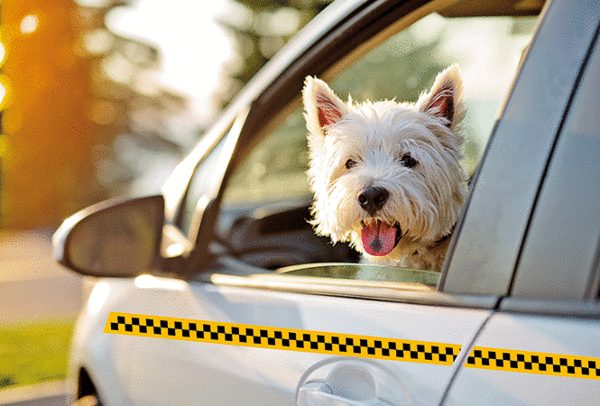
Vehicle Setup, Restraints, and Cleanliness Standards
Organizing a vehicle for safe animal transport requires clear standards for layout, restraint systems, and cleanliness that prioritize animal welfare and human safety. The provider guarantees secure crate placement, seat barriers, ventilation control, and non slip mats, balancing freedom and safety. Evidence-based protocols reduce stress and contamination.
- Regular cleaning and disinfection
- Secure, crash-tested restraints
- Adequate airflow and temperature
- Easy-access emergency exits
Insurance, Liability, and Emergency Protocols
Preparedness underpins effective risk management in pet transport, combining clear insurance coverage, defined liability boundaries, and actionable emergency protocols to protect animals, handlers, and owners. Providers should disclose insurance coverage and liability limits, maintain updated emergency contacts, and implement standardized incident reporting. Evidence supports written policies, regular staff training, and rapid veterinary access to preserve safety while respecting owners’ freedom and peace of mind.
Questions to Ask Before Booking Any Pet Transport
When considering any pet transport service, prospective clients should come prepared with targeted questions that clarify safety, liability, and care standards; concise inquiries about credentials, insurance limits, emergency protocols, and medical handling reveal whether a provider meets professional and ethical expectations.
- What certifications and references verify competence?
- What insurance questions should be answered about coverage limits?
- How are emergencies handled and communicated?
- Is there booking flexibility for changing plans?
Real-World Scenarios: When to Choose a Pet Taxi or a Ride-Share
After confirming credentials, insurance, and emergency protocols with prospective providers, pet owners often face a practical decision: whether to hire a dedicated pet taxi or use a general ride-share for a specific trip. For time-sensitive veterinary transfers or complex multi pet moves, a pet taxi’s specialized care and equipment typically offer superior safety. For short, low-risk errands, vetted ride-shares can suffice.
Frequently Asked Questions
Can Pets Travel Unaccompanied on Long-Distance Trips Overnight?
Yes. They can, but only with vetted providers offering unaccompanied transport and reliable overnight monitoring; evidence-based protocols, documented health requirements, and clear emergency plans guarantee safety while respecting owners’ freedom and minimizing animal stress.
Do Pet Taxis Accept Exotic or Non-Traditional Pets?
Yes; many pet taxi services accept exotic species when they meet regulatory requirements, require owner documentation, and provide specialized carriers. The provider evaluates safety, legal constraints, and welfare, balancing freedom with responsible, evidence-based care.
Are There Temperature Control Guarantees During Transport?
Yes; providers often guarantee temperature control, citing climate monitoring systems and robust cabin insulation. The spokesperson notes evidence-based protocols, empathetic animal welfare standards, and freedom-minded policies allowing owners transparent, adjustable environmental settings.
Can I Request a Specific Driver for Repeated Trips?
Yes. He requests favorite drivers for scheduled pickups when available; platforms and pet taxi services often permit repeating driver selections, supported by booking history, profiles, and vetting—balancing autonomy, safety, and documented preferences for consistent care.
What COVID-19 or Zoonotic Disease Cleaning Protocols Exist?
Operators state PPE protocols and disinfection schedules are enforced: staff wear masks and gloves, sanitize vehicles between trips with EPA-approved agents, log cleaning, and follow veterinary guidance to minimize COVID-19 and zoonotic transmission while respecting client autonomy.
Conclusion
When choosing between a pet taxi and a ride-share, owners should prioritize specialized training, proper restraints, and clear emergency protocols. Pet taxis generally offer handlers experienced with anxious animals, vehicle modifications, and insurance tailored to pet transport; ride-share drivers may lack these safeguards but can be suitable for low-risk, short trips. Ask about training, containment, cleanliness, and emergency plans before booking. Matching the service to the pet’s temperament and medical needs minimizes risk and stress.