Mosquito repellent sprays provide quick, broad coverage and a cooling sensation but may evaporate faster, reducing protection time. Gels adhere better to the skin natural mosquito repellent, offering longer-lasting defense through slower release of active ingredients. Sprays dry quickly but might irritate sensitive skin, while gels can feel sticky yet often soothe and target specific areas. Effectiveness depends on individual needs, skin type, and activity. Further details reveal how to choose the best option for differing situations.
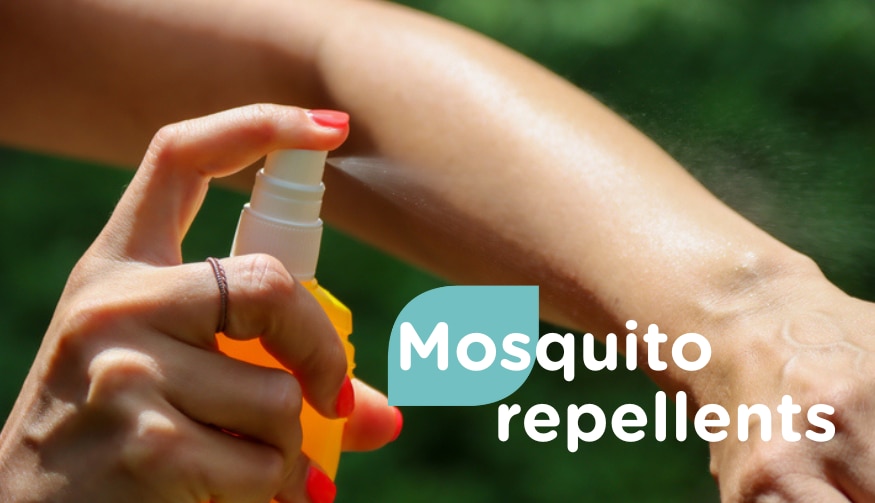
How Mosquito Repellent Sprays and Gels Work Differently
When comparing mosquito repellent sprays and gels, their mechanisms of application and absorption reveal key differences. Sprays disperse evenly over exposed skin, creating a thin, protective barrier that repels mosquitoes by masking human scent or emitting deterrent chemicals. This method offers quick coverage and a cooling sensation but may evaporate faster.
Gels, in contrast, are applied directly to the skin in a thicker layer https://igreenasia.com/, allowing slower absorption and longer-lasting protection. Their consistency reduces the chance of runoff and often suits targeted areas, providing a controlled release of active ingredients.
Both forms aim to grant users freedom from bites, yet the choice between spray and gel depends on preferences for application style and desired duration of protection without compromising mobility or comfort.
Comparing the Effectiveness of Spray vs Gel Repellents
Evaluating the practical performance of mosquito repellent sprays and gels reveals distinctions in their protective capabilities. Both forms offer effective barriers, but their application and consistency influence user experience and coverage.
Key factors differentiating their effectiveness include:
- Coverage: Sprays can cover larger areas quickly, while gels allow targeted application.
- Absorption: Gels tend to absorb slower, potentially providing focused protection.
- Residue: Sprays may evaporate faster; gels often leave a tactile layer.
- Ease of Use: Sprays enable swift, even distribution; gels require more precise rubbing in.
Users seeking freedom in movement and environment should weigh these factors to choose the repellent aligning with personal preferences and activity demands.
Which Option Lasts Longer and Offers Better Protection?
Regarding duration and protective efficacy, mosquito repellent sprays and gels exhibit notable differences influenced by their formulations and modes of application. Sprays typically provide broad, quick coverage, but their effects may dissipate within a few hours due to evaporation and exposure to external elements.
Gels, with their thicker consistency, often adhere better to the skin, offering prolonged protection by releasing active ingredients steadily over time. This sustained release can extend the duration of effectiveness, making gels a preferred choice for longer outdoor activities. However, individual product compositions and environmental conditions also play critical roles in determining actual protection time.
Ultimately, the choice between spray and gel depends on the balance between immediate coverage and the desire for longer-lasting defense against mosquitoes.
:strip_icc()/bhg-thermacell-mosquito-patio-shield-ella-field-6-68a8c75c63b54dcd88752a0758db85b4.jpeg)
Skin Sensitivity and Comfort: Spray or Gel for You?
Beyond duration and protection, the impact on skin sensitivity and overall comfort plays a significant role in choosing between mosquito repellent sprays and gels. Sprays often dry quickly and feel lighter, appealing to those who prefer a barely-there sensation. Gels, however, may offer a more moisturizing effect but can feel heavier or sticky.
When considering skin sensitivity and comfort, four key factors emerge:
- Spray formulations typically contain alcohol, which can irritate sensitive skin.
- Gels often include soothing agents that reduce dryness and irritation.
- Application precision varies; gels allow targeted application, minimizing contact with sensitive areas.
- Personal preference for texture influences comfort and willingness to use the repellent consistently.
Ultimately, the choice depends on balancing skin tolerance with desired tactile experience for unrestricted outdoor enjoyment.
Choosing the Best Mosquito Repellent Based on Your Needs
When selecting a mosquito repellent, individual needs and environmental factors must be carefully considered to guarantee effective protection. Those seeking quick application and broad coverage may prefer sprays, which disperse evenly and absorb rapidly.
Conversely, gels offer controlled application, ideal for targeted areas or sensitive skin, providing prolonged protection without frequent reapplication. Outdoor enthusiasts in humid or wet conditions might benefit from water-resistant formulas, often found in sprays, ensuring lasting defense.
For those prioritizing portability and minimal residue, gels are convenient and less likely to transfer onto clothing. Ultimately, choosing between spray and gel hinges on lifestyle, skin type, and activity setting. Aligning repellent choice with personal freedom and comfort makes certain uninterrupted enjoyment of outdoor experiences without compromise.
Conclusion
Both mosquito repellent sprays and gels offer effective protection, but their suitability varies based on individual needs. Sprays typically provide quicker application and broader coverage, while gels often last longer and may be gentler on sensitive skin. Effectiveness depends on active ingredients and usage. Ultimately, the choice between spray and gel should consider factors such as duration of exposure, skin sensitivity, and personal comfort to guarantee peak mosquito protection.